Stone Anthropomorphic Head
The object is made from a fragment of a larger chalcedony concretion (probably jasper). It has an elongated shape, rounded on the sides and tapering upwards – the upper part of the concretion is narrower than the lower one, which gradually widens towards the base.
How did ancient people ensure the strength of their house and the well-being of its inhabitants?
As usual, the most interesting part comes at the end. Almost at the close of the 2025 archaeological season, we came upon a new and intriguing discovery.
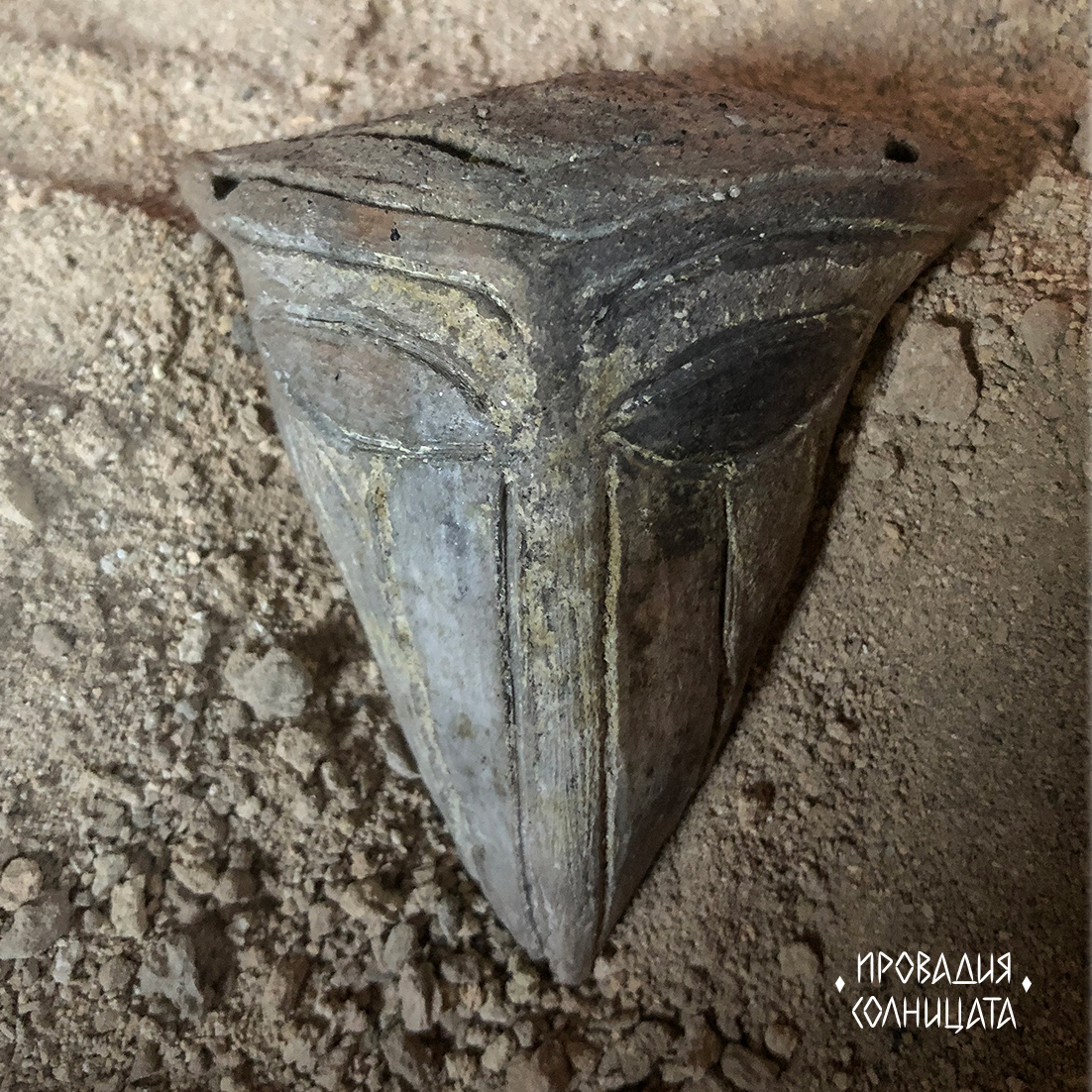
Zoomorphic Face Representation
This object is made of clay and has a three-sided shape, somewhat resembling a hanging isosceles triangle with broadly extended upper corners and a slightly arched top.
Student Week
The archaeological team of Provadia–Solnitsata is once again organizing Student Week, which will take place from October 1 to 6, 2025. During this period, we will welcome organized school groups to the archaeological site.
Open Doors Day 22.09.2025
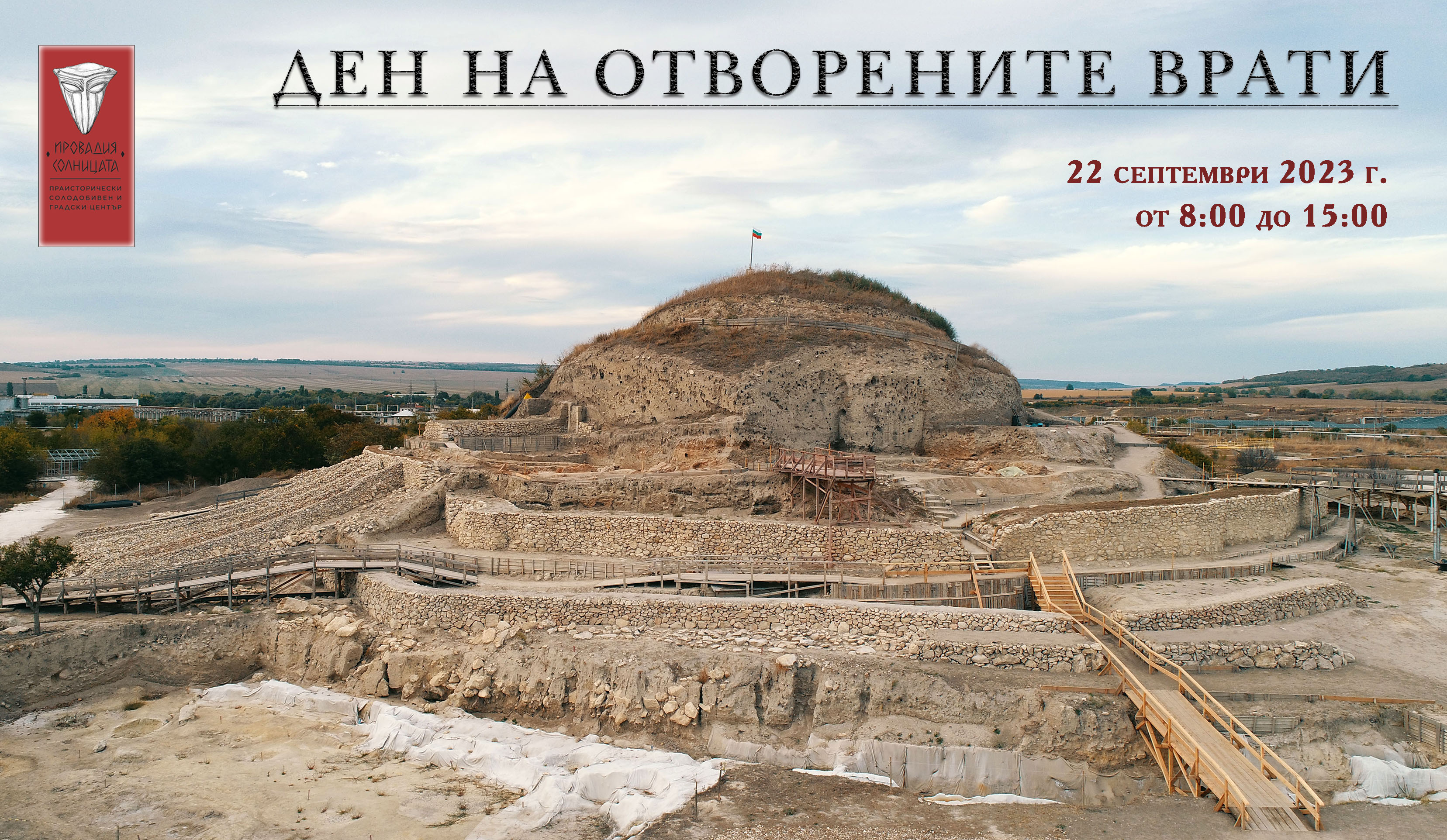
This year as well, the team excavating the archaeological complex Provadia-Solnitsata is organizing an Open Doors Day, which will take place on its traditional date – 22.09.2025 (Monday).
Visiting hours on the official holidays
The prehistoric salt-production and urban center Provadia-Solnitsata will be open to visitors on our National Holiday – the Day of the Unification of Bulgaria (September 6th)
Graphite in late prehistory
This year, we continue the excavation of one of the Late Chalcolithic houses — part of the settlement that existed around 4450 BC.
The First Paint of Humanity: The Story of Ochre
For at least 300,000 years, dating back to the time of the Neanderthals, humans have been fascinated by ochre - a natural pigment derived from iron-rich clays containing hematite and goethite.
A discovery with a secret: traces of violence or ritual?
We made an interesting finding at our site of Provadia-Solnitsata – two neck bones with cut marks!
At First Glance Ordinary, but Actually Special!
The flat bone Chalcolithic figurines, referred to in academic literature as “flat bone idols”, crafted in the shape of the female body, are often discovered during excavations of Chalcolithic settlements or graves.
A Find with Mysterious Functions
Among the millennia-old layers of the Solnitsata, sometimes objects with unclear functions are uncovered.
A new step in the socialization of Provadia- Solnitsata
Over the past month, around the central site of the salt-production and urban center of Provadia-Solnitsata - the settlement and burial mound - a circular road 3 to 4 meters wide was constructed, graveled, and rolled.
The Acoustics of Bulgaria
Today at the prehistoric salt-production and urban center Provadia–Solnitsata, we had the pleasure of hosting Stefan Valdobrev and The Usual Suspects.
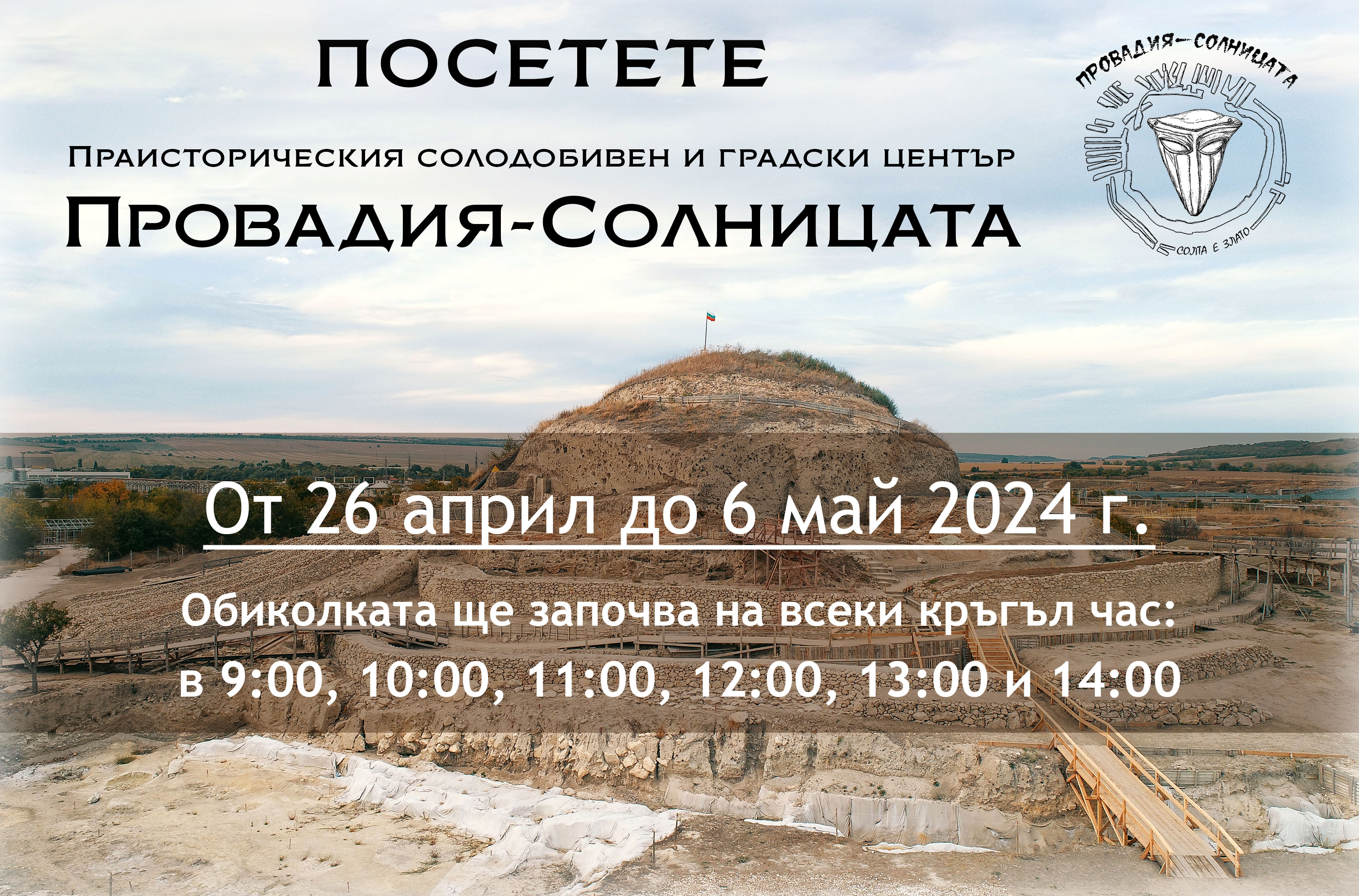
Тhe 21st archaeological season has begun at the prehistoric salt-production and urban center of Provadia-Solnitsata
Dear friends of Solnitsata and admirers of antiquity,
From the archaeological site to the museum exhibit
Over the past 20 archaeological seasons at Provadia-Solnitsata, the remains of a total of 32 prehistoric houses have been registered, some of which are still being studied. One of the richest and most interesting houses discovered so far in the settlement mound is designated as number 17, about which we have already written in previous publications. It dates back to the late Middle Chalcolithic period (4600 BC) and was destroyed in a fire.
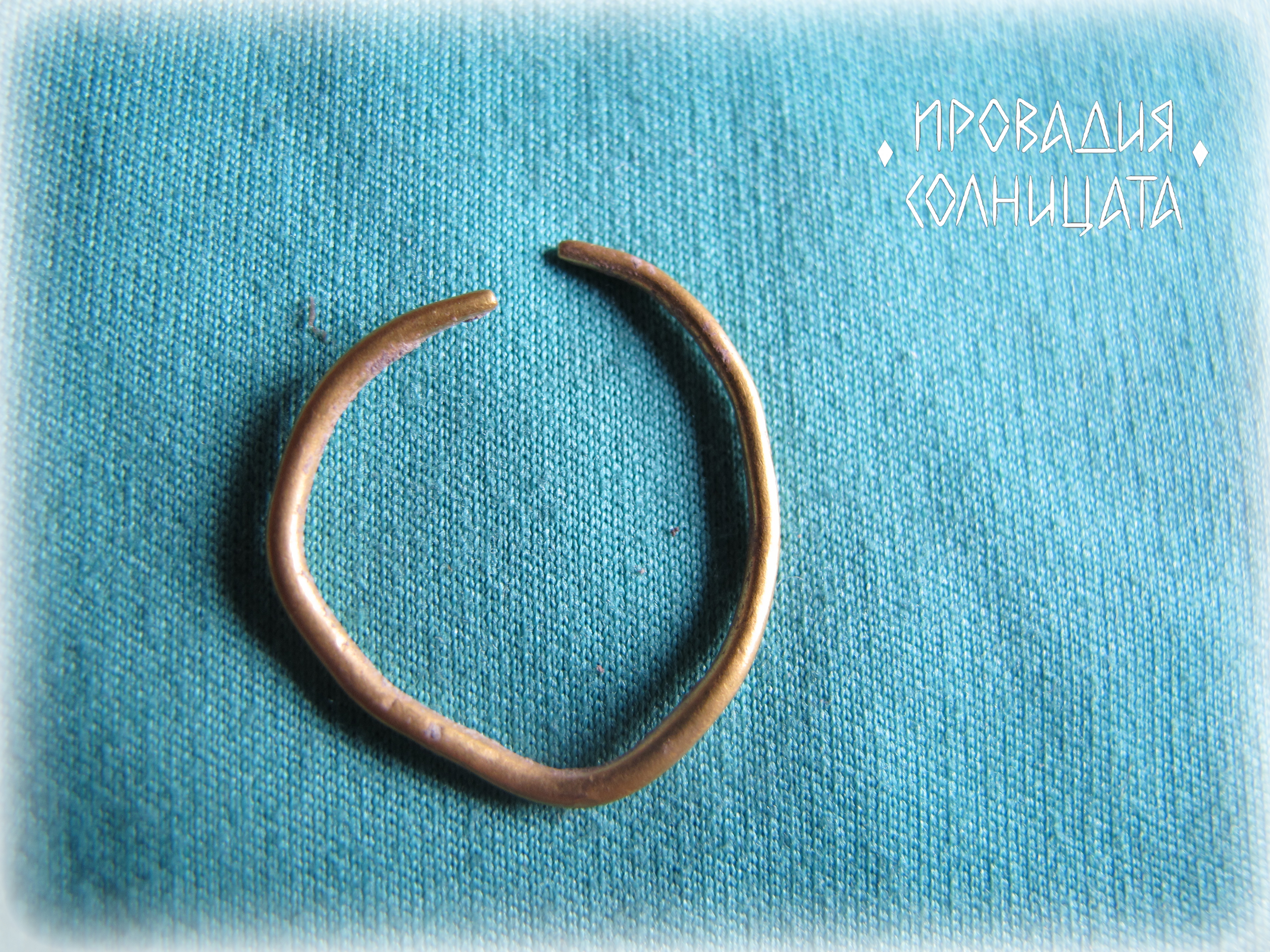
Late Chalcolithic gold earring
Gold archeological finds have always elicited keen interest among specialists and aficionados of ancient history, especially when they happen to be prehistoric. The earliest objects made of processed gold in Europe appeared in the modern-day Bulgarian lands about 4700 BC, ...

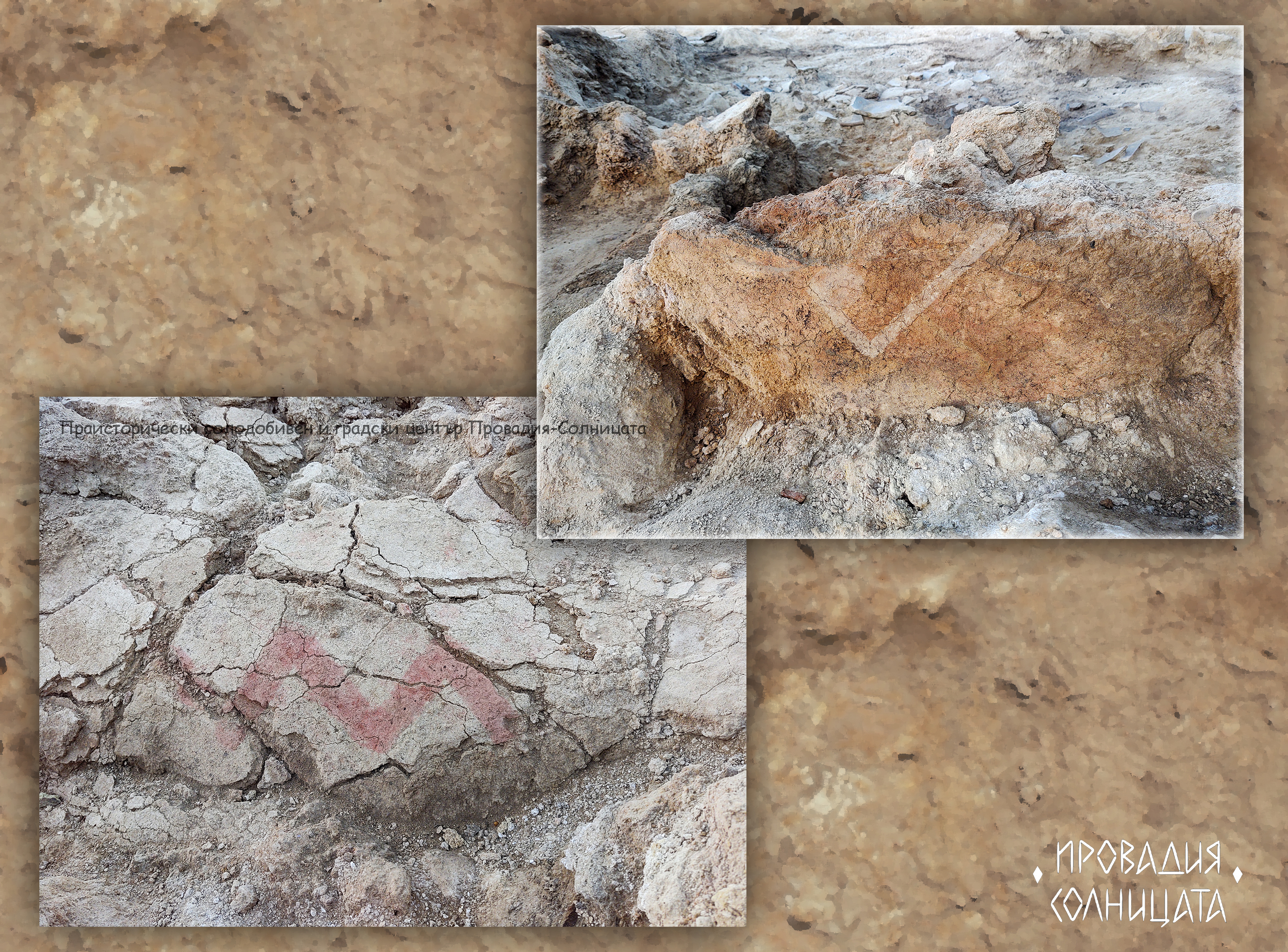
Late Chalcolithic painted walls
Depiction of motives and abstract compositions with symbolic meaning was one of the popular methods of expression in prehistory. This is especially valid for the times before writing was invented when drawing symbols was one of the few ways to preserve and convey information. Usually, it would be the sides of ceramic vessels, used as a canvas, less often for this purpose would be chosen the walls of the house...
Bird-shaped ceramic vessels
The long years of excavations and investigation of the prehistoric slat production and urban center Provadia-Solnitsata, have shown evidence that the salt production here had been continuous and constantly perfected process for nearly a thousand years...
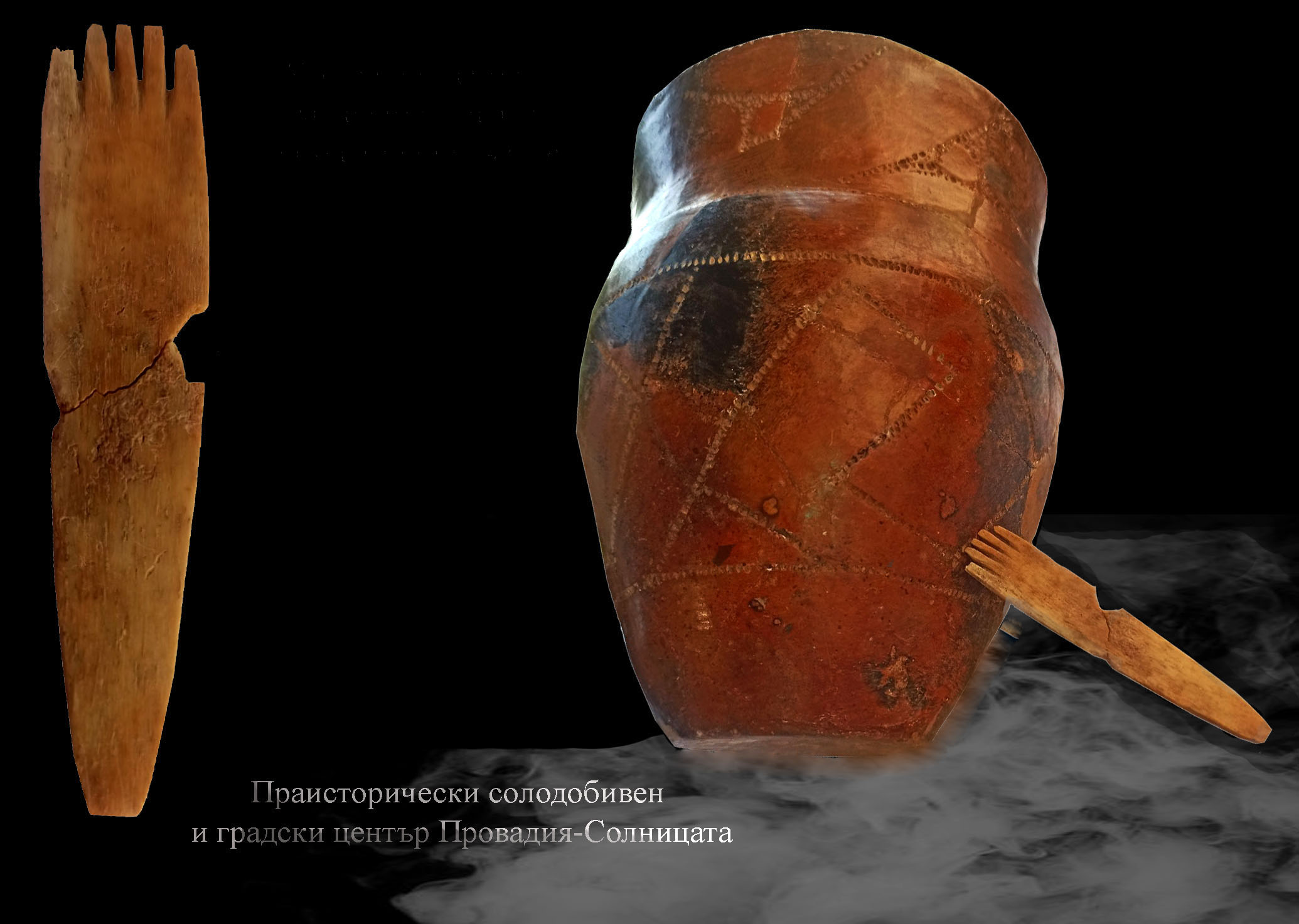
Bone tool for pottery decoration
Our imagination has once again been excited with the new find of a rare bone tool from the Middle Chalcolithic period (4700-4600 B. C.), created and used at a ceramic workshop at the Oldest Prehistoric Salt-production and Unban Center in Europe...
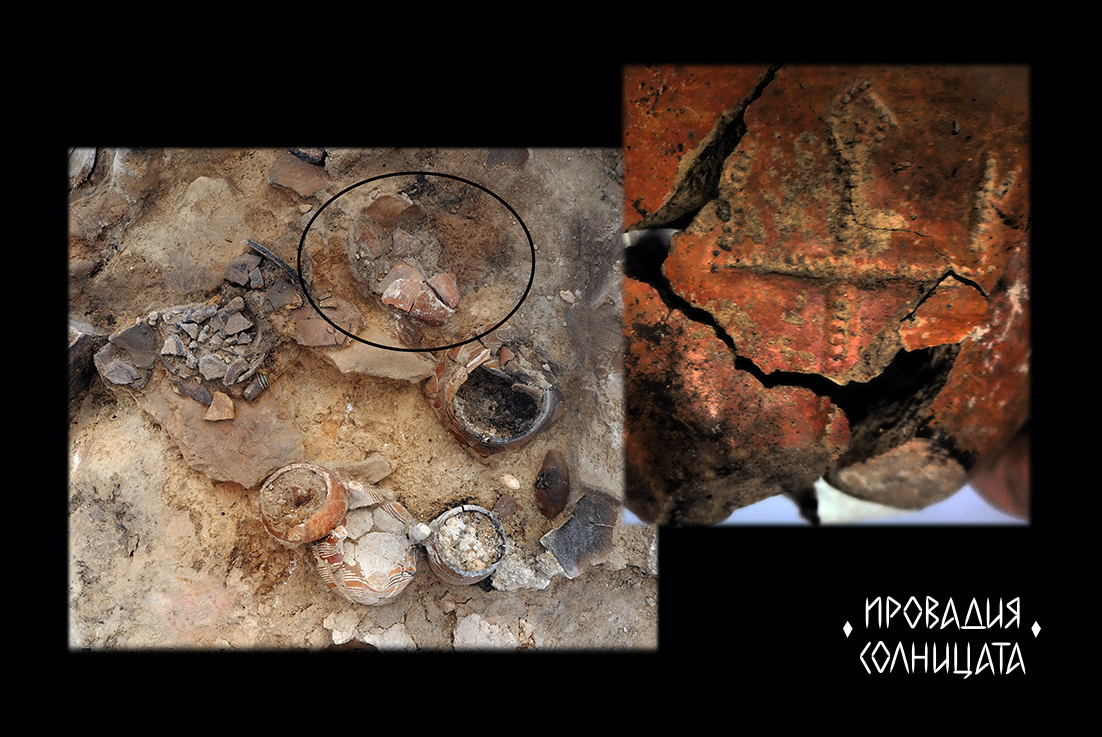
Depiction of the Mother-Goddess on a ceramic vessel
The double story construction, which had been destroyed in an earthquake, and has been under investigation the past few seasons, has again surprised the public with its architectural design and inventory...
Late Chalcolithic “Mask”
It often happens in archaeology, that some of the most presentable finds are discovered outside of the archaeological context, they had been used in, there off they often become the cause of many discussions in regards of their practical use, symbolism, and worth...
Findings presenting the dreadful world of armed conflict
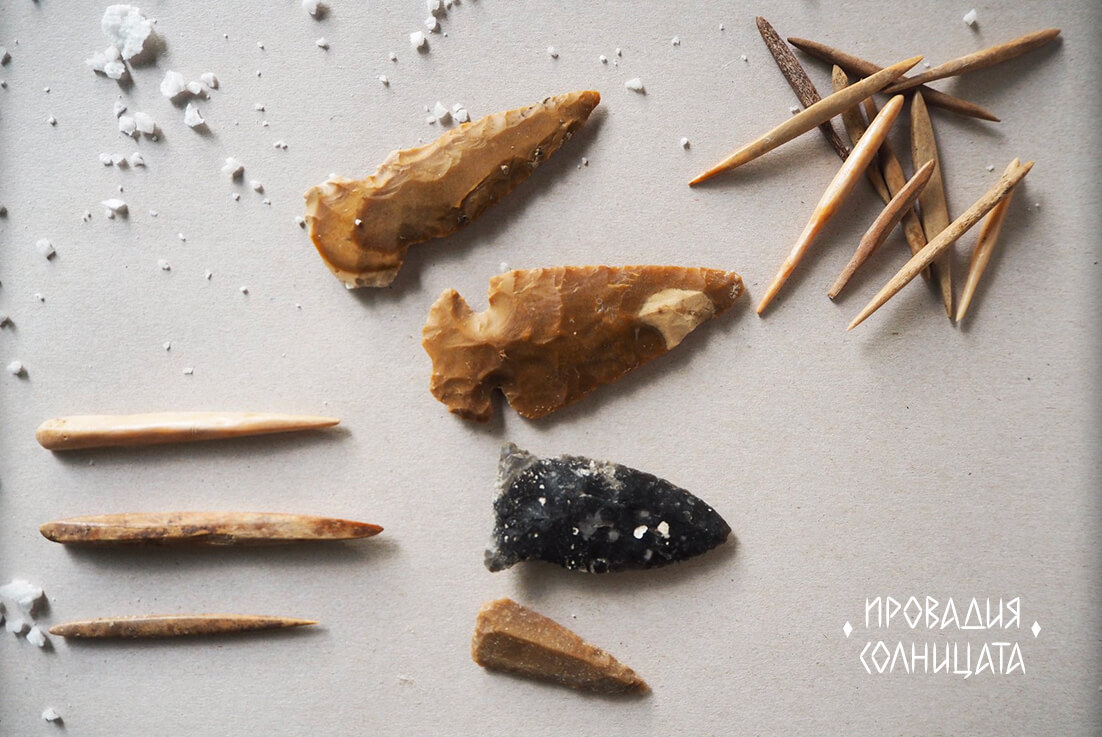
Among the wide variety of items that show the ingenuity of the inhabitants of Provadia-Solnitsata, there is one category that represents the terrifying world of armed conflict. The rich collection of over 500 bone and flint arrows, flinty spearheads, stone and flint axes, testify for the bloodsheds that were caused by the region's most significant natural feature - the salt springs and the stone salt that was made and stored behind the stone walls.
Funerals in the area of the production complex
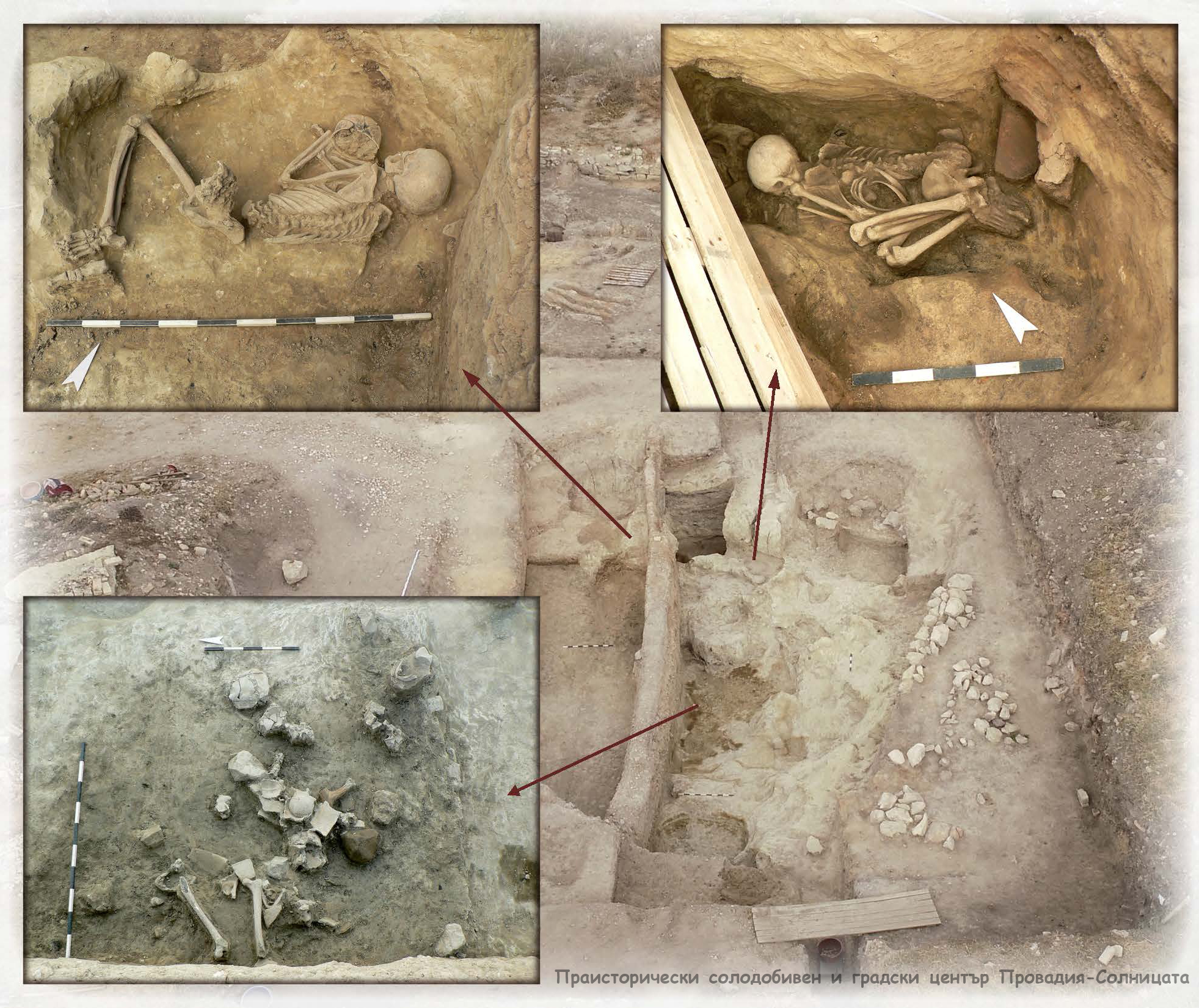
In the last two years, our efforts in the area of the production complex have focused on the study of a salt production facility from the middle and second half of the 5th millennium BC. It is a large pit with a diameter of more than 11 m and a depth of up to 2 m. At the beginning of the study, it became clear that since it no longer functioned as a production structure, the facility has been used for various activities for a long time. To our surprise, back then (in 2017), we found that in the northern part, at the bottom, there was an elderly woman buried - probably related to the organization of the production process.