A Find with Mysterious Functions
Among the millennia-old layers of the Solnitsata, sometimes objects with unclear functions are uncovered. One such example is a find from this year – a small ceramic object with presumed anthropomorphic features, discovered during the excavations in the southeastern sector of the settlement mound.
It has an approximately cylindrical shape, slightly rounded at both ends, and measures 10 cm in length. On its two narrow sides there are deep holes, which, however, do not connect to form a single channel. At the upper end of the front side, three small holes were drilled in the shape of a hanging triangle, resembling eyes and a mouth. The upper two pierce only the surface, while the lower one cuts through the entire object. The back side is almost flat, as if the object was meant to lie horizontally. On it, only the rear opening of the third frontal hole can be seen.
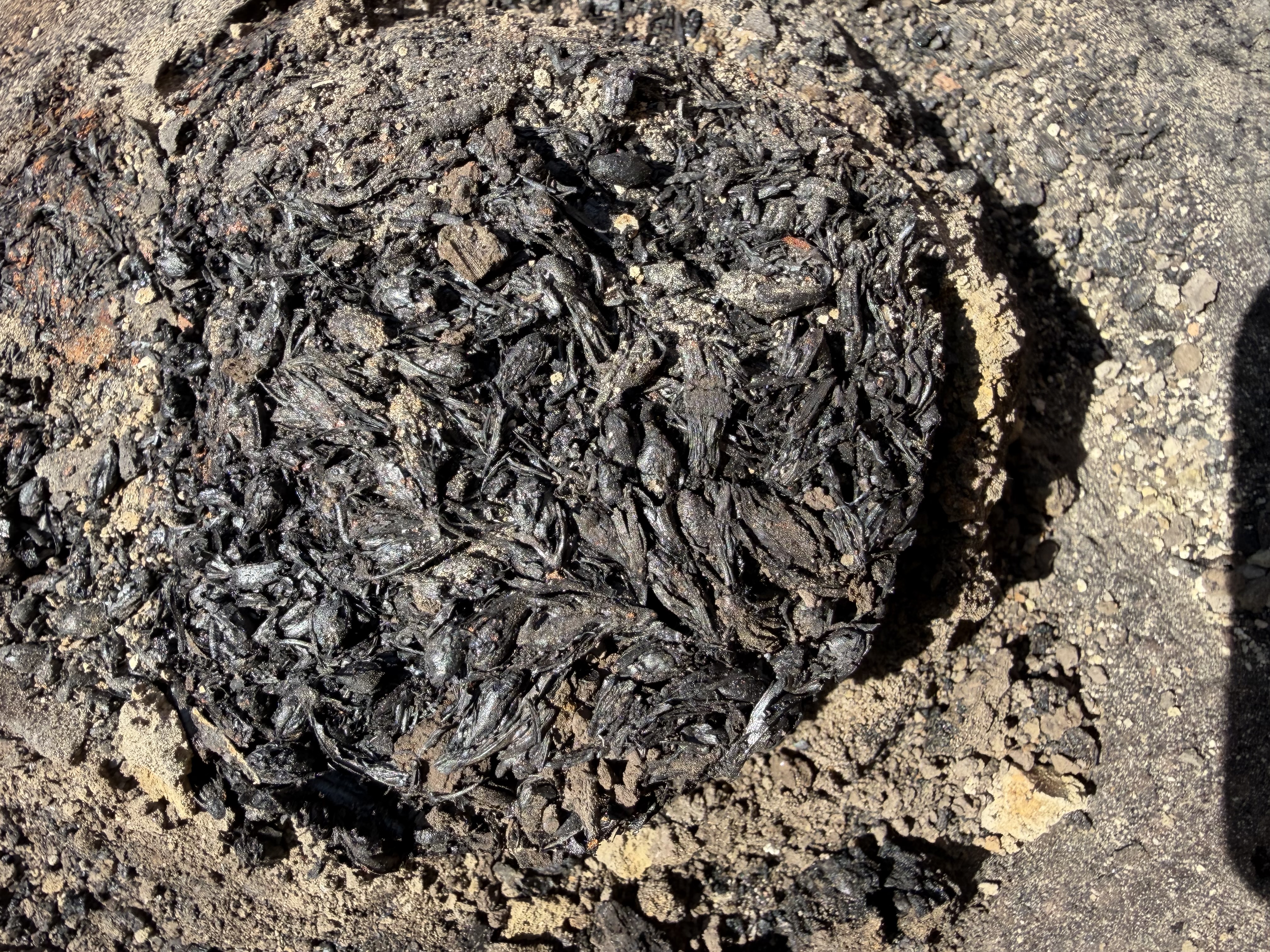
The artifact was found among the ruins of a burnt house that existed around 4500 BC. This find turns out not to be a mere fragment of the past but a genuine enigma. Similar objects from the same period - the Late Chalcolithic, according to archaeological chronology - have been discovered in other settlements, though rarely. So far, however, no one has offered an interpretation or proposed a hypothesis about the function of this complex ceramic form. Finds of this kind spark the imagination and transform archaeology into an exciting journey toward unlocking human history. In the case of this particular find, that journey has not yet been completed. Perhaps some of our readers, admirers of the Solnitsata, will help us with ideas?