At Provadia-Solnitsata during the European Archaeology Days
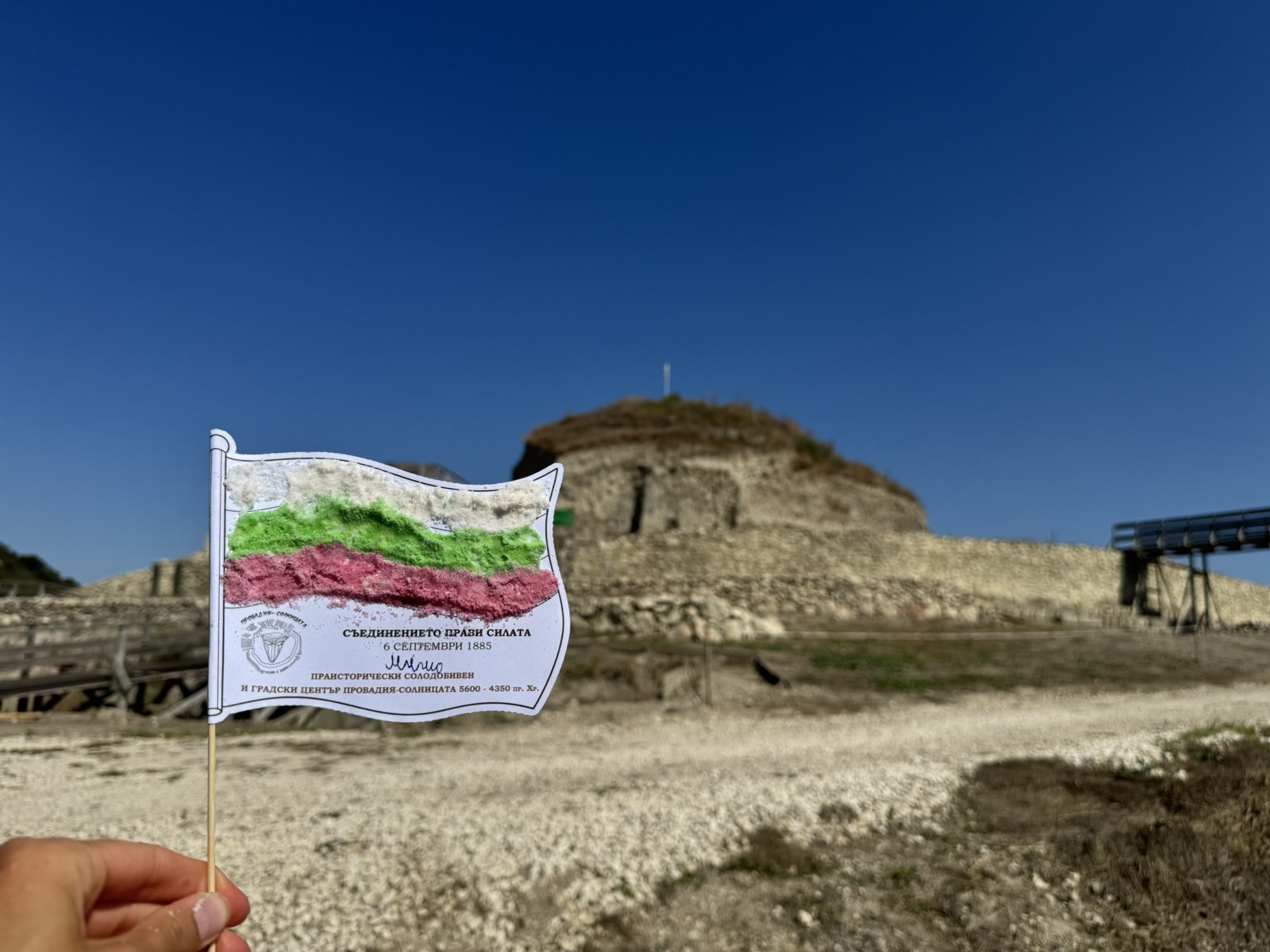
On the occasion of the European Archaeology Days – from June 13 to 15 (Friday to Sunday), the archaeological team of Provadia-Solnitsata and the Historical Museum of Provadia invited enthusiasts of ancient history to actively visit the prehistoric salt-production and urban center. The event drew significant interest, with over 400 visitors attending the site. The team of tour guides – Georgi, Maria, and Dalia – received high praise for their enthusiasm and professionalism. Many of the visitors expressed their intention to return to Solnitsata during this year’s archaeological season in August and September, when new discoveries will be on display. Our youngest visitors were especially delighted by the encounter with ancient history – and received gifts as a keepsake from their visit. We sincerely thank everyone for the time and attention given to the results of our work. It is a pleasure and a privilege for us to present and proudly share the achievements of our ancestors – the creators of the first European civilization. We look forward to welcoming you again!